
Tips for photographing people with limited mobility
Over many years of doing health care shoots, I’ve worked with countless people with mobility challenges. They may be recovering from surgery or an injury, elderly, disabled, going through rehab or physical therapy, or even nearing the end of their life. Every individual is different, but here are some tips to go over with your photographer or videographer before the shoot.

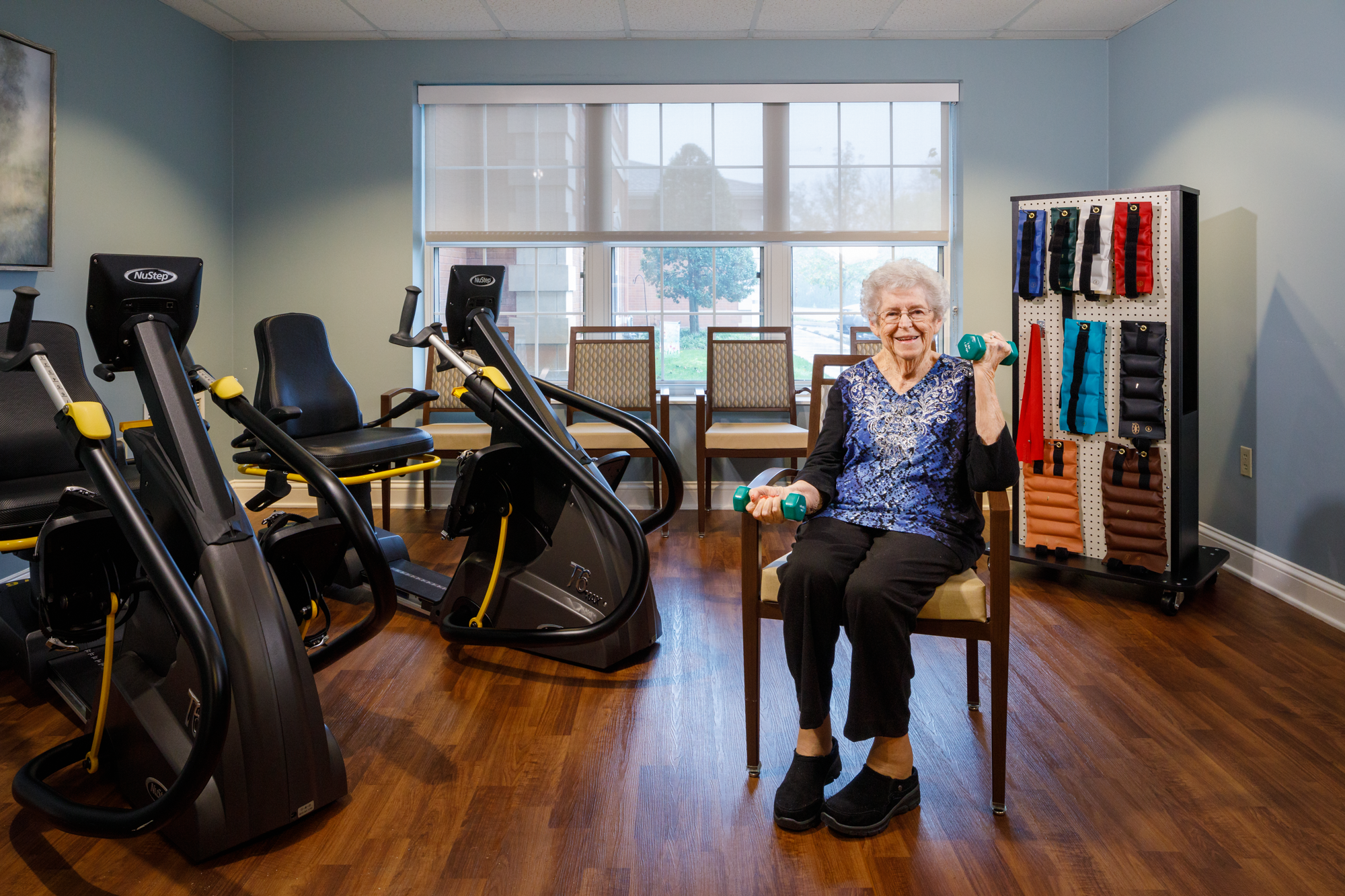
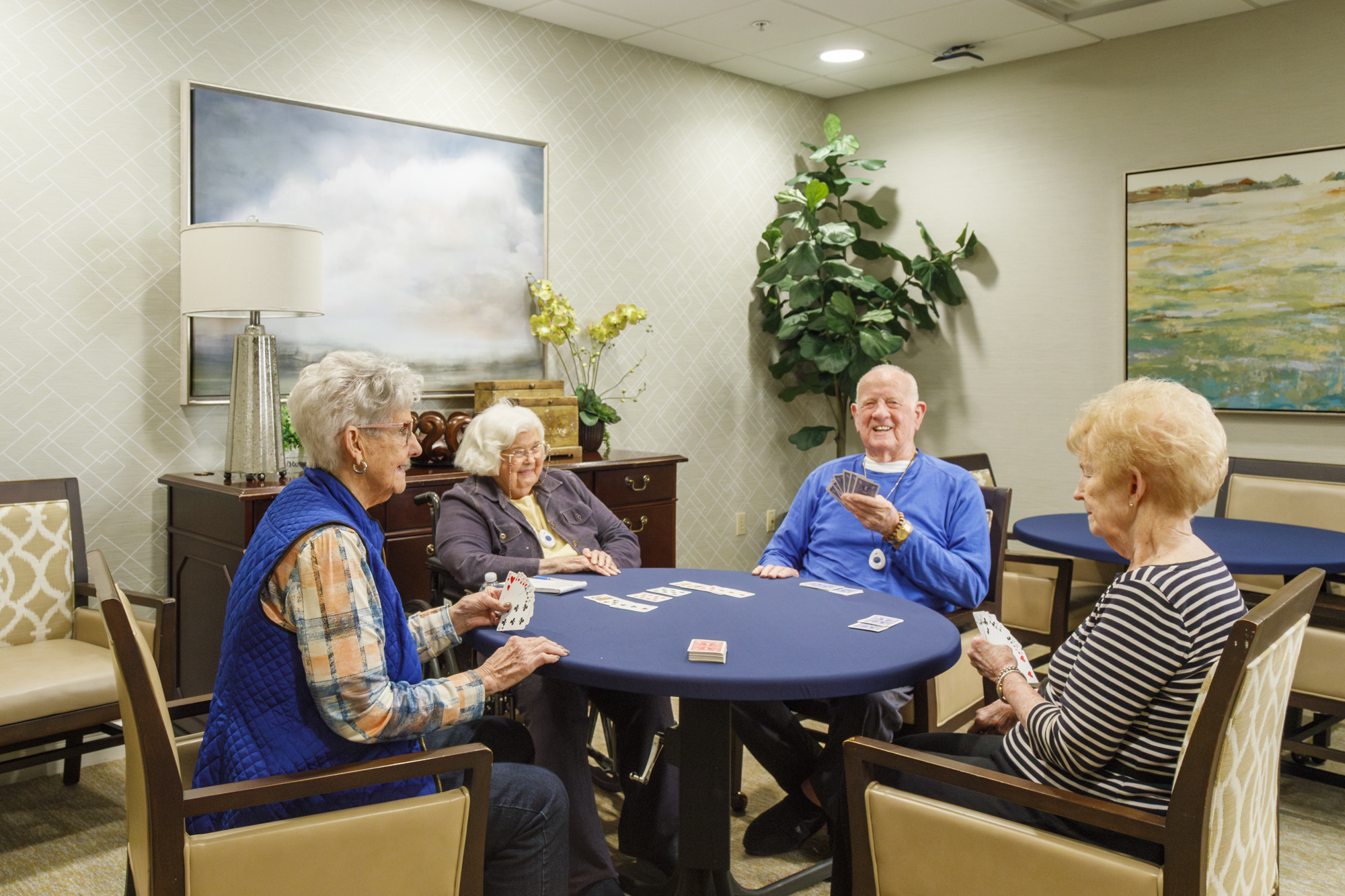

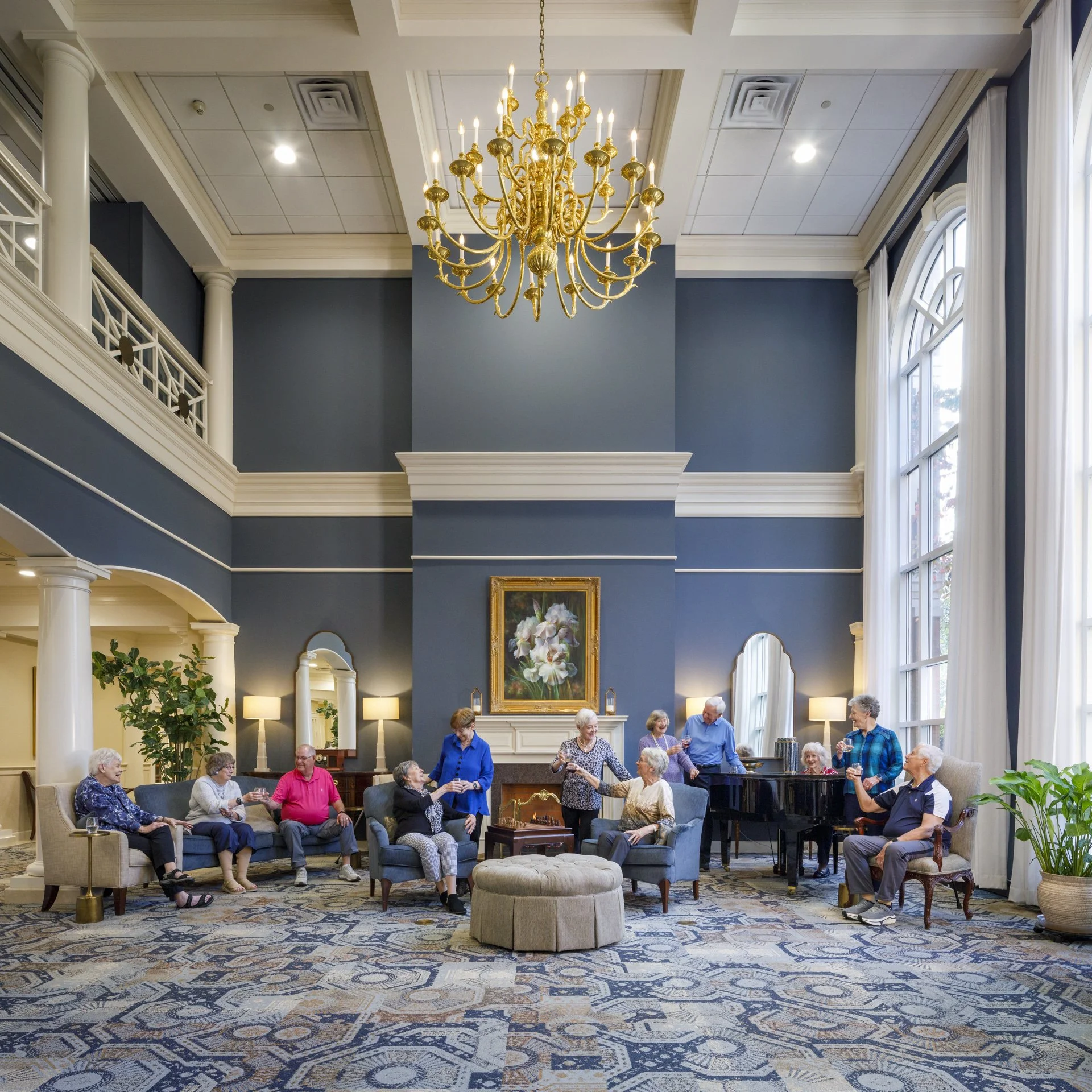
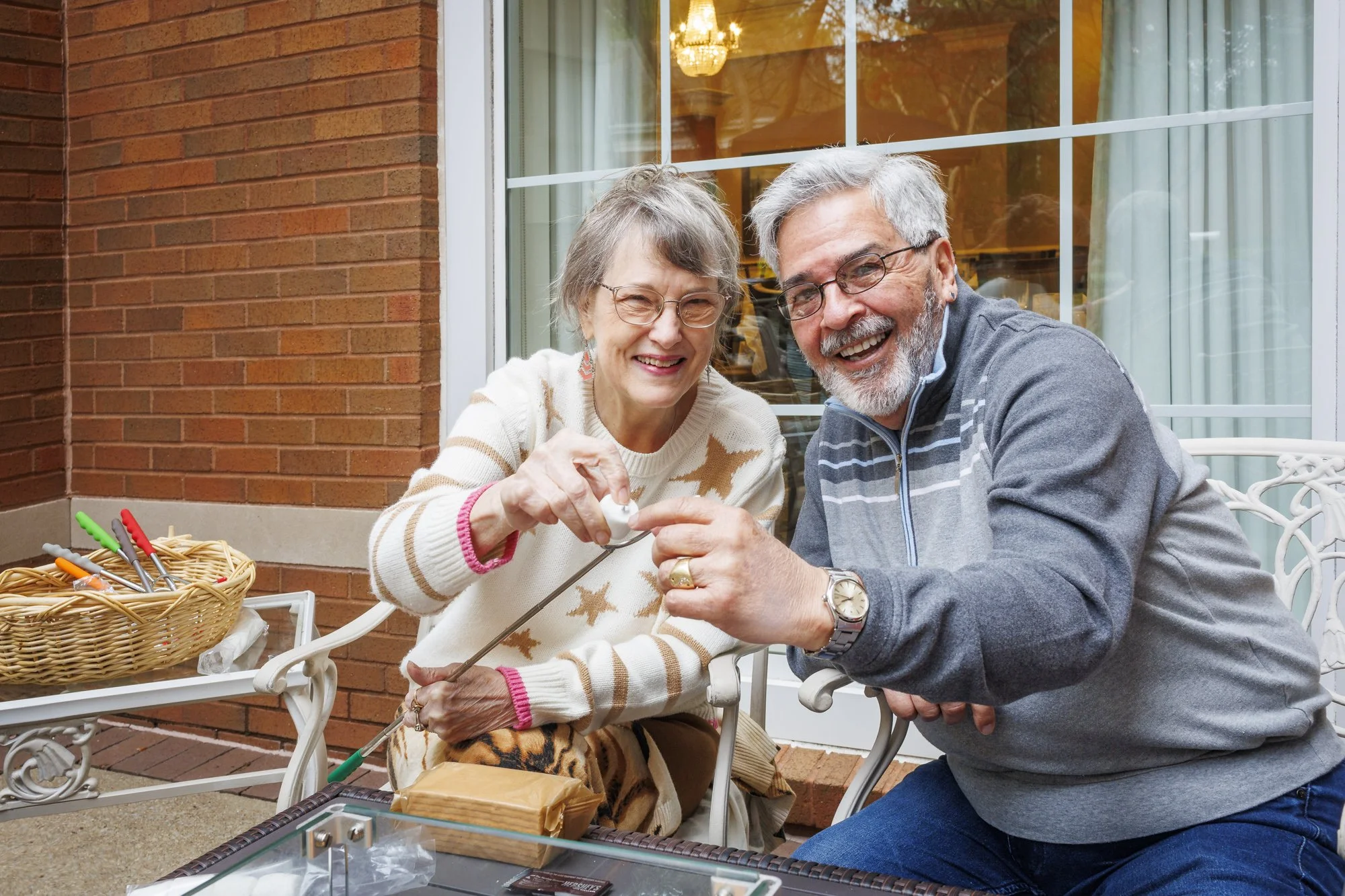
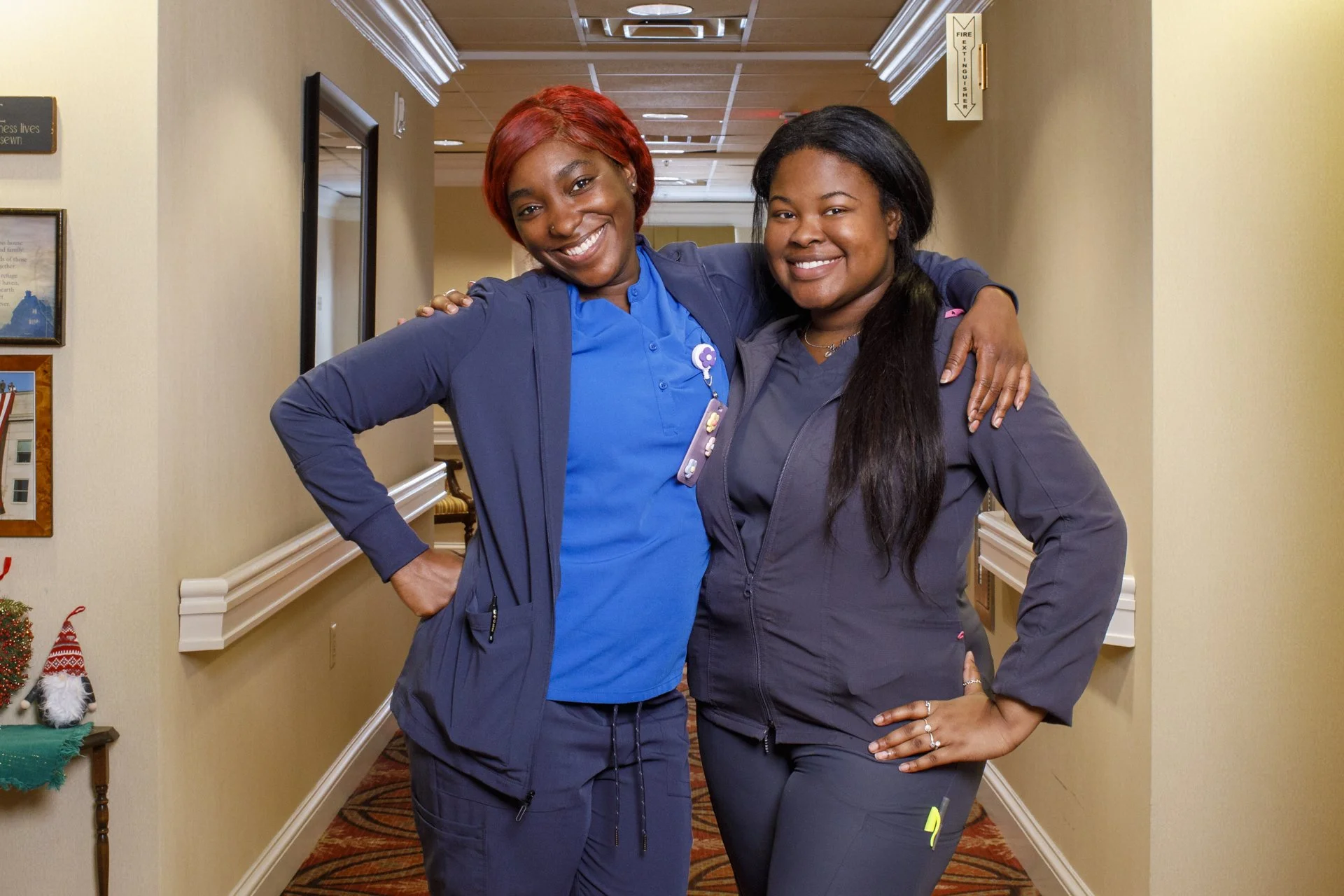
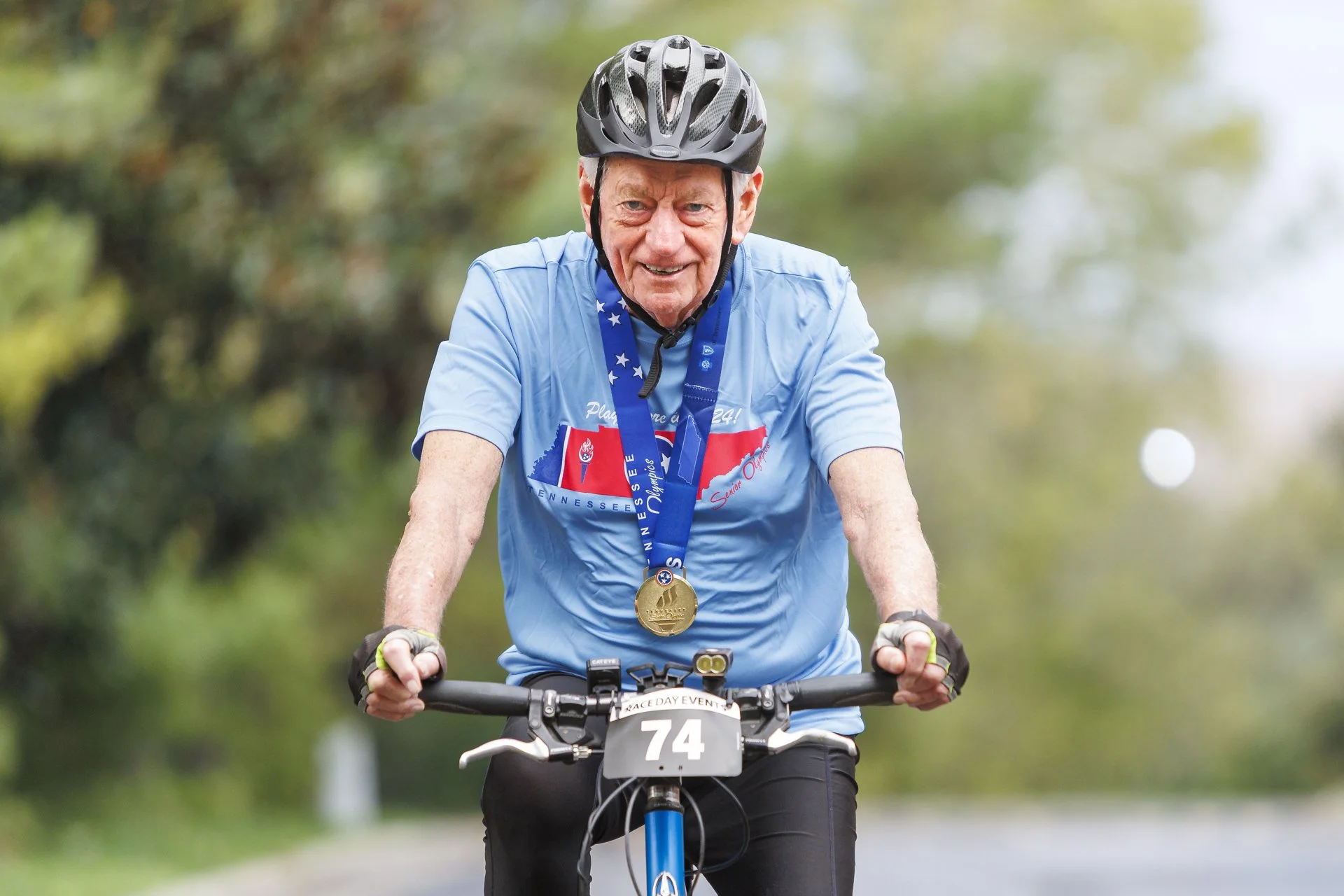
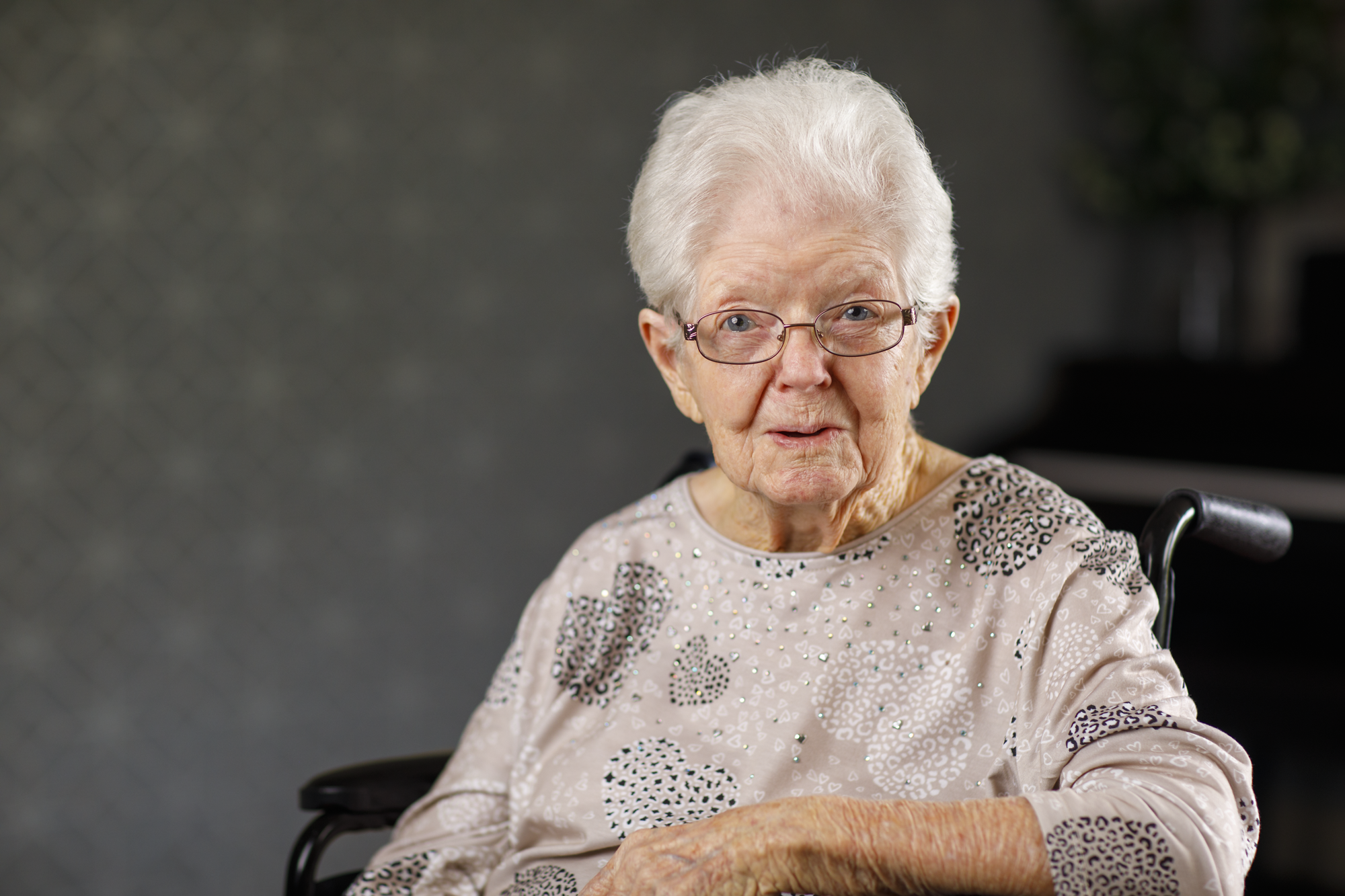
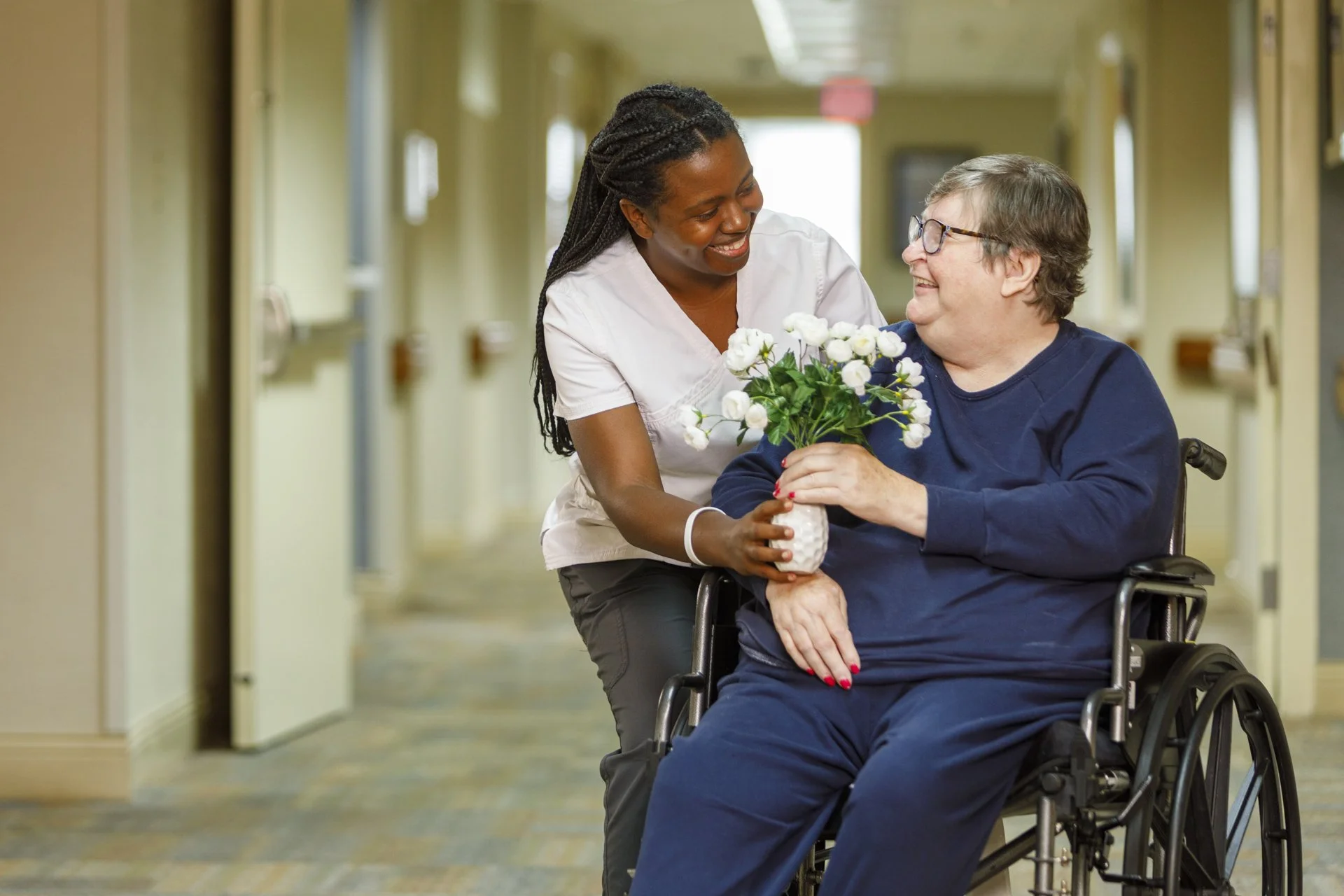
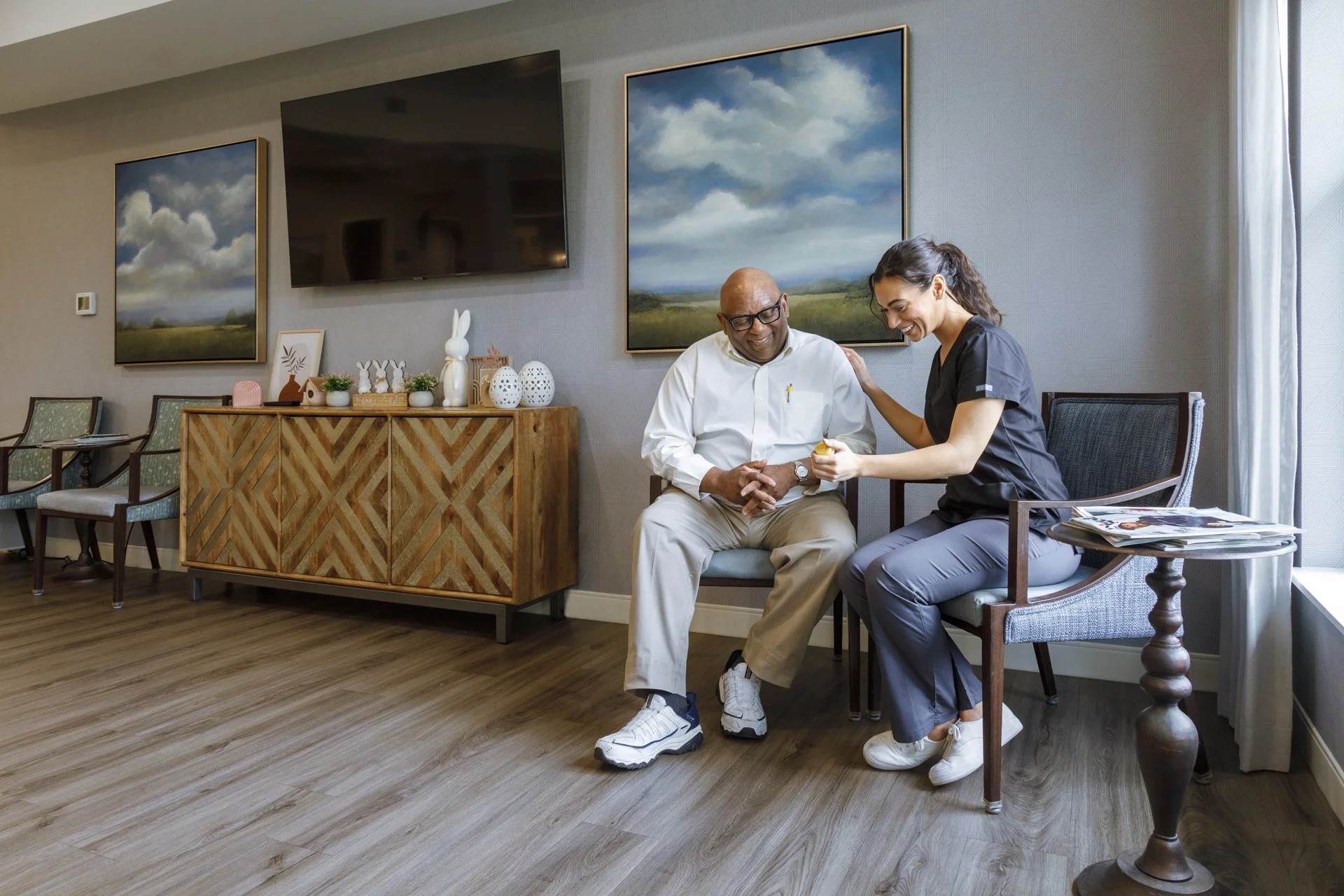
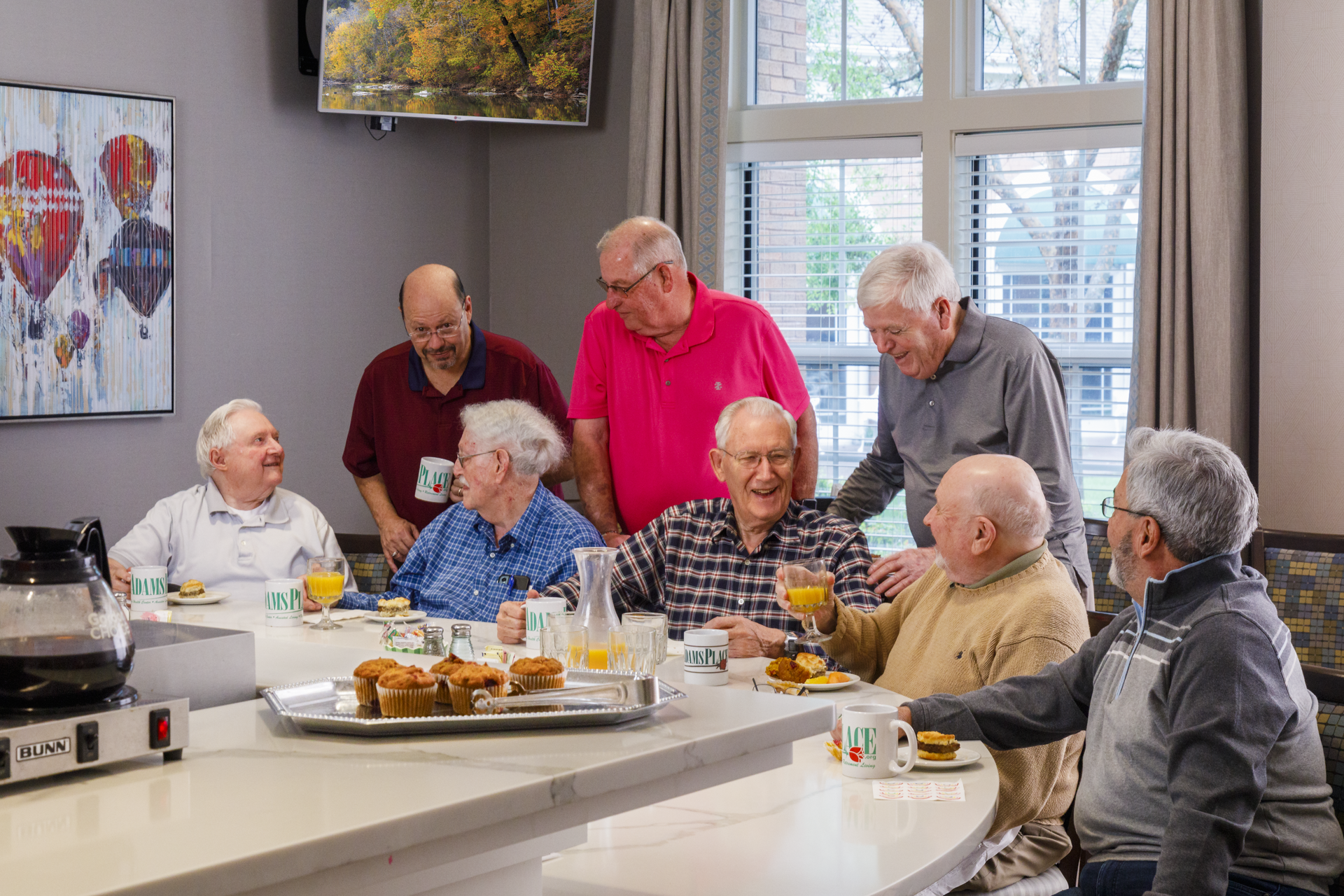
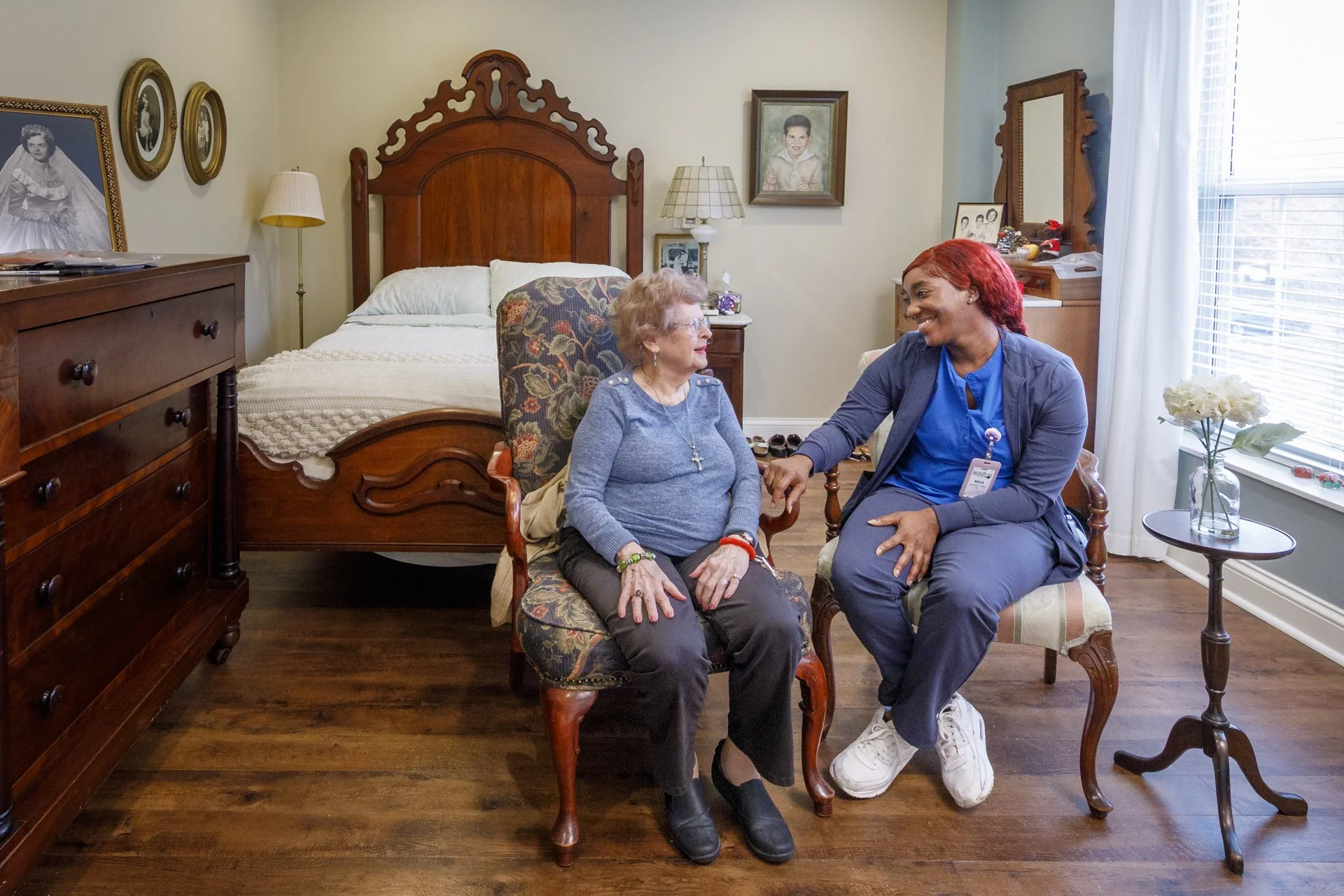
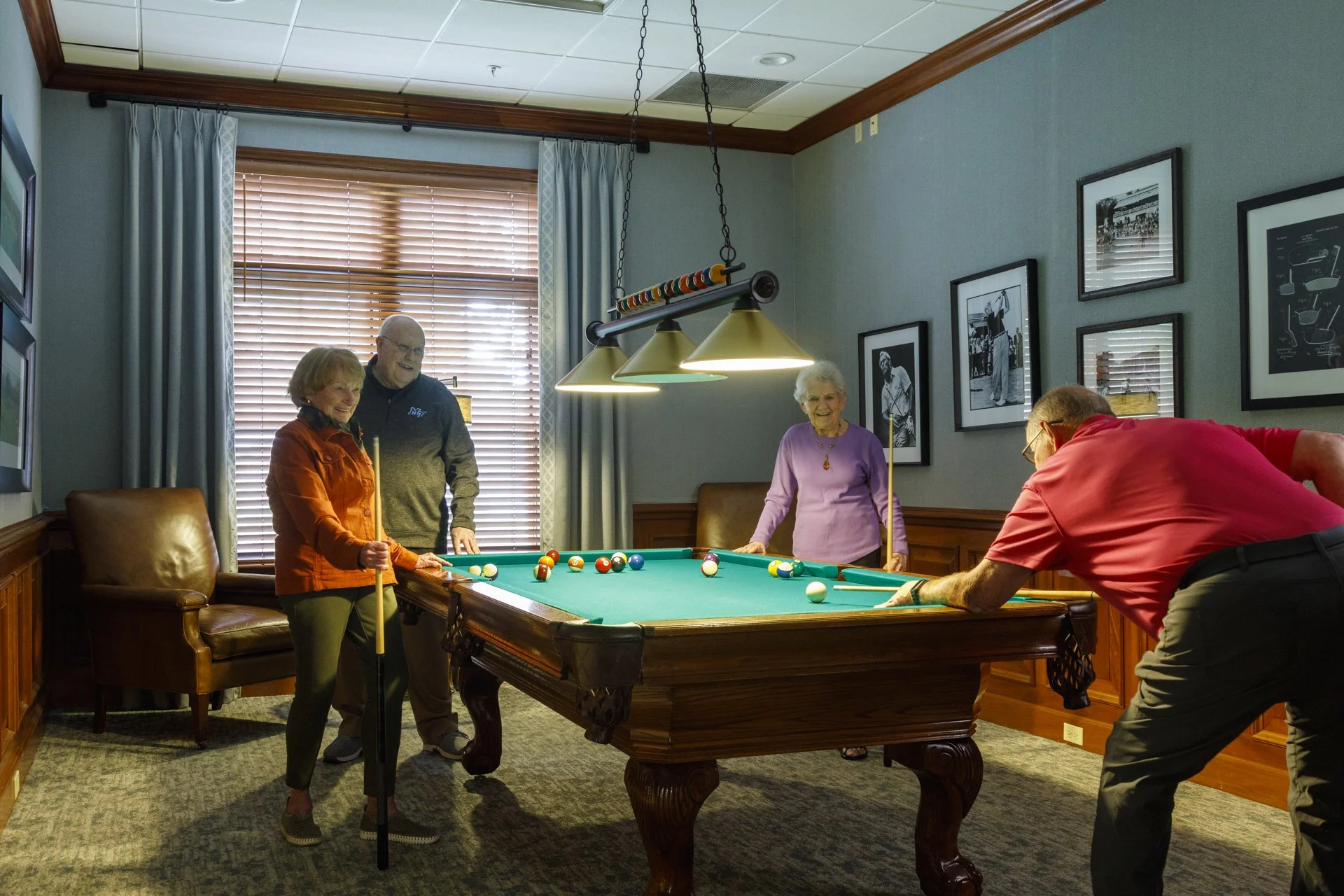
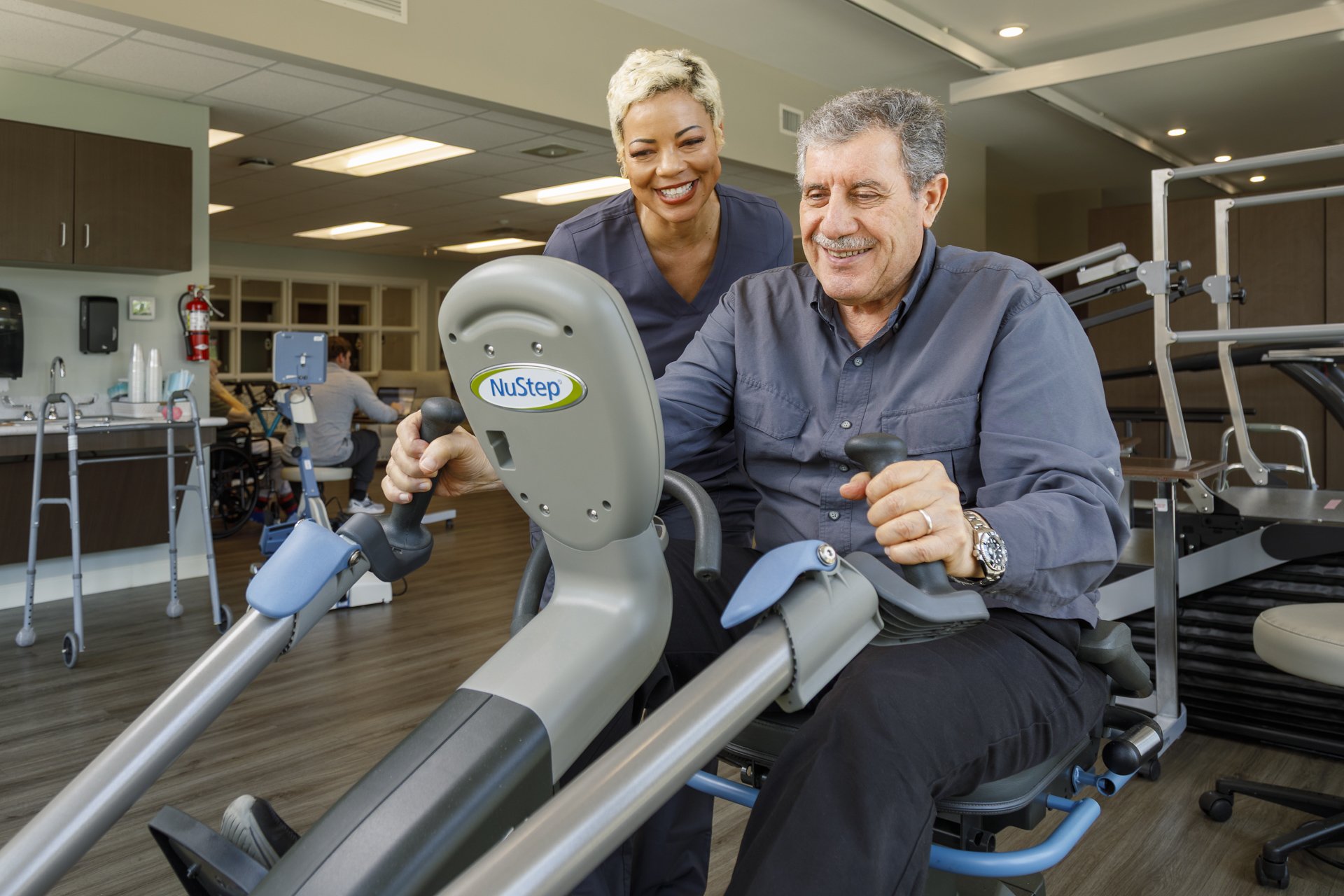
Be fast. You’ll likely be dealing with someone who has limited energy. Work quickly and minimize gear set ups.
Be respectful. Recognize their dignity, especially at what may be one of the most vulnerable times in their lives. Think of your loved ones and how you’d like them to be treated. Even more so when you’re woking in someone’s home.
Be clear. Tell the subjects what you’re doing and what you need from them. For example, you could say “We’re getting some new photos for the Website and wanting to feature caregivers working with clients in various settings. We need you to go through some guided exercises with the therapist.”
Be encouraging. They may be feeling nervous and need reassurance that they’re doing a good job.
Elevate their strengths. Focus on the person, not their challenges.
Be interested and ask questions. People are always interesting if you give them a chance.
Be patient. You may have to wait for them to be comfortable physically or emotionally. That’s ok, just try not to make them wait on you.
Work at eye level. If someone is in a wheelchair or a bed, don’t look down at them with the camera.
Be mindful and make it a positive experience. These photos may have a deeper meaning beyond the project at hand. Even though it’s a commercial shoot, this may be the last photo that person ever has. It may also be the first professional photo they’ve ever had. I’ve had some clients even request prints after the shoot to give as mementos.
Build the photo around them. Make decisions on set and don’t make them move unnecessarily.
Build the set in advance. I call this the “CEO method” where they can come into the set and everything is ready. Use a stand-in while getting lights set and composing the photo.
Have caregivers on set. Even if the caregiver isn’t going to be in the photo, it’s great to have them nearby bc if the person needs help in any way, the caregivers are the professionals and they know the best way to assist. This also applies to adjusting beds, moving wheelchairs, helping someone stand, putting on a blood pressure cuff, etc.
Be safety conscious. Take care around all medical equipment and be on the lookout for any safety hazards. For example, using wireless lights can help keep cords off the floor and blocking hallways with gear or people is never a good idea.
Think ahead. Coordinate with the staff so they know what you’re doing and how long you expect to be at each location. Share your shot list if that will help. They’ll be able to help you work efficiently around the schedule, the rooms and the people at the facility.
Have fun. People experiencing mobility challenges like to have fun too.